
Soaring Through Legalities: A Comprehensive Guide to Wet and Dry Aircraft Leases in India
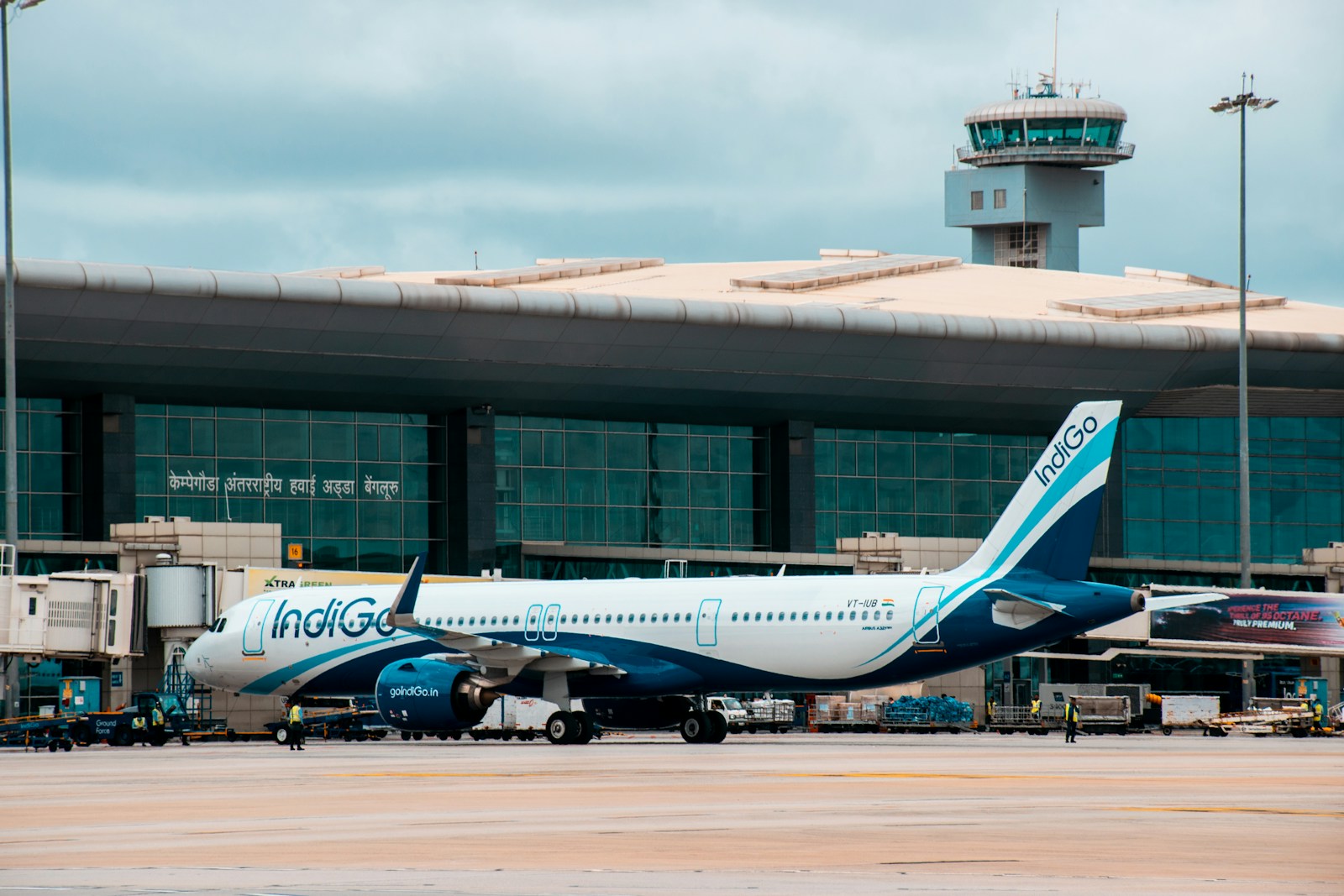
The Indian aviation sector is experiencing a meteoric rise, propelled by a burgeoning middle class and an insatiable appetite for travel. To meet this demand and navigate the ever-shifting currents of the market, airlines are increasingly turning to aircraft leasing, a strategic maneuver that grants them operational and financial agility. This treatise discusses the intricacies of wet and dry leases in India, exploring the labyrinthine legalities, pertinent regulations, and seminal case studies that illuminate the path forward.
The Power of Leasing: Adaptability Intertwined with Efficiency
Aircraft leasing empowers airlines to optimize their fleets without the Sisyphean task of shouldering the immense upfront cost associated with purchasing new aircraft. This strategic maneuver enables them to:
- Respond to Seasonal Surges: During periods of peak travel, airlines can swiftly augment their capacity through wet leases, circumventing the protracted lead times and exorbitant costs inherent in acquiring new aircraft.
- Test Uncharted Routes: Wet leases provide a cost-effective method to experiment with novel routes without committing to a full-fledged expansion.
- Modernize Fleets: Dry leases furnish airlines with the opportunity to integrate newer, more fuel-efficient aircraft into their operations, thereby enhancing the passenger experience and optimizing fuel costs.
- Manage Fleet Size with Precision: Airlines can meticulously adjust their fleet size based on market fluctuations, scaling up or down without incurring significant capital expenditure.
Wet Lease vs. Dry Lease: Discerning the Nuances
The two primary types of aircraft leases cater to distinct requirements:
- Wet Lease (ACMI): Imagine chartering an entire aircraft package. In a wet lease, airlines acquire a fully operational aircraft along with a crew (pilots, cabin crew), maintenance personnel, and insurance (Aircraft, Crew, Maintenance, Insurance). The lessee retains control over commercial operations (schedules, routes), while the lessor manages the operational aspects. This option is ideal for short-term exigencies such as seasonal spikes, route testing, or covering for grounded aircraft.
- Dry Lease: This approach demands a more hands-on involvement from the lessee. The airline rents only the aircraft itself, without crew, maintenance, or insurance. The lessee assumes full responsibility for these operational components, employing their own crews, arranging maintenance in accordance with DGCA (Directorate General of Civil Aviation) regulations, and obtaining appropriate insurance coverage. Dry leases are well-suited for long-term fleet expansion or modernization strategies.
Navigating the Regulatory Landscape: The Role of DGCA
The DGCA acts as the guardian of Indian civil aviation, ensuring the safety and adherence to operational standards. Aircraft leasing in India is governed by a robust legal framework, with the DGCA playing a pivotal role:
- Issuing Regulations: The DGCA meticulously crafts detailed regulations through Civil Aviation Requirements (CAR). Key sections relevant to aircraft leasing include:
- CAR Section 3 (Air Transport): Defines the regulatory framework for lease agreements, outlining approval processes and operational requirements.
- CAR Section 8 (Airworthiness): Ensures leased aircraft meet stringent maintenance and safety standards, guaranteeing airworthiness and passenger safety.
- Approval Process: Both wet and dry leases necessitate approval from the DGCA.
- Wet Lease Approval: The lessee submits an application detailing lessor credentials, aircraft specifications, crew qualifications, maintenance plans, and insurance coverage. The DGCA meticulously evaluates these aspects before granting approval, often specifying the lease duration.
- Dry Lease Approval: The application process for dry leases is similar, with a focus on the aircraft’s airworthiness and the lessee’s operational capabilities to ensure they can maintain and operate the aircraft safely and efficiently.
Crafting a Clear Agreement: The Lease Contract
A meticulously crafted lease agreement is the cornerstone of a smooth and successful leasing experience. Key considerations include:
- Responsibilities: The agreement should clearly delineate the responsibilities of each party. Wet lease agreements specify the lessor’s responsibilities for Aircraft, Crew, Maintenance, and Insurance (ACMI) elements. Dry lease agreements typically focus on the aircraft itself.
- Safety and Compliance: Safety remains paramount. For wet leases, the agreement must ensure the lessor’s crew holds valid DGCA licenses and the aircraft adheres to DGCA-approved maintenance programs. Dry leases require the lessee to employ certified crew members and maintain the aircraft according to DGCA standards.
- Financial Terms: The agreement should clearly define the lease duration, financial arrangements (lease payments), and dispute resolution mechanisms, often favouring Indian courts or arbitration bodies.
- Termination Clauses: Clear termination clauses outlining scenarios for early termination (e.g., breach of contract, safety concerns, regulatory changes) are crucial for protecting the interests of both parties.
Aircraft leasing often transcends national boundaries. Here’s how international frameworks play a role:
- Cape Town Convention: India is a signatory to the Cape Town Convention, which provides a global framework for the registration and protection of aircraft leasing and financing interests. This international recognition facilitates cross-border leasing arrangements, fostering a more streamlined and secure leasing environment.
- Bilateral Air Service Agreements: These agreements, negotiated between India and other countries, may influence aircraft leasing. These agreements may specify requirements for crew nationality, maintenance facilities, or insurance coverage, adding another layer of complexity to cross-border leasing arrangements. Airlines and lessors must carefully navigate these agreements to ensure compliance with all applicable regulations.
Learning from Precedents: Landmark Case Studies
Indian courts have played a critical role in shaping the legal landscape of aircraft leasing through landmark cases that serve as illuminating precedents:
- Accipiter Investments Aircraft 2 Ltd. v. Union of India[1]: This case underscored the importance of timely deregistration upon lease termination. When Go Air (lessee) defaulted on lease payments, Accipiter (lessor) sought deregistration of their aircraft. The court ruled in favor of Accipiter, emphasizing the DGCA’s obligation to comply with Aircraft Rules and deregister the aircraft upon lease termination. This case safeguards the interests of lessors by ensuring a smooth transition of ownership or operation upon lease expiry.
- Joint Action Committee of Action v. DGCA[2]: While not directly related to leasing, this case sheds light on the DGCA’s discretionary power in managing regulations. The court upheld the DGCA’s decision to temporarily revive an older regulation while finalizing new CARs. This case highlights the need for a balance between the DGCA’s flexibility in managing regulations and transparency in adhering to principles of natural justice.
- BANK ONE LIMITED v. DIRECTORATE GENERAL OF CIVIL AVIATION: This case reinforces the DGCA’s obligation to deregister aircraft upon lease expiry. Bank One (owner) sought deregistration and export permission for a leased aircraft after the lease expired. The DGCA initially refused, but the court ruled in favor of Bank One, directing the DGCA to cancel the registration. This case emphasizes the rights of lessors or owners to request deregistration upon lease termination.
Conclusion: A Well-Charted Course
The legal landscape of aircraft leasing in India is intricate, demanding a thorough understanding of regulations, international conventions, and judicial precedents. By navigating these complexities with a keen eye for detail, airlines can leverage wet and dry leases to achieve strategic fleet management and adapt to the dynamic currents of the market. This empowers them to soar to new heights while ensuring operational safety and compliance.
[1] 2023 SCC OnLine Del 3895
[2] DGCA, 2011 AIR SC 2220
Contributed by Simran Tandon
Frequently Asked Questions
What is the difference between a wet lease and a dry lease of an aircraft?
A wet lease, also called an ACMI lease, provides the lessee with a fully operational aircraft along with Crew, Maintenance, and Insurance, while the lessor manages operational aspects. A dry lease provides only the aircraft, with the lessee arranging its own crew, maintenance under DGCA regulations, and insurance. Wet leases suit short-term needs; dry leases suit long-term fleet expansion.
Who regulates aircraft leasing in India?
The Directorate General of Civil Aviation (DGCA) regulates aircraft leasing in India. The DGCA issues Civil Aviation Requirements (CAR), with CAR Section 3 (Air Transport) defining the regulatory framework for lease agreements and approval processes, and CAR Section 8 (Airworthiness) ensuring leased aircraft meet maintenance and safety standards. Both wet and dry leases require DGCA approval before commencement of operations.
When should an airline opt for a wet lease over a dry lease?
A wet lease is suitable when an airline faces short-term exigencies such as seasonal demand surges, testing of new routes without long-term commitment, or covering for grounded aircraft. Since the lessor supplies crew, maintenance, and insurance, the lessee can rapidly add capacity without the protracted lead times and capital expenditure involved in acquiring new aircraft or recruiting crew.
What does CAR Section 3 of the DGCA regulations cover for aircraft leasing?
CAR Section 3 (Air Transport) issued by the DGCA defines the regulatory framework governing aircraft lease agreements in India. It outlines the approval processes that lessees must follow and prescribes the operational requirements applicable to both wet and dry leases. The provision is read alongside CAR Section 8 on Airworthiness, which addresses maintenance and safety standards for leased aircraft.
What is the approval procedure for a wet lease in India?
For a wet lease, the lessee must submit an application to the DGCA detailing the lessor’s credentials, aircraft specifications, crew qualifications, maintenance plans, and insurance coverage. The DGCA scrutinises these particulars to confirm compliance with Civil Aviation Requirements before granting approval. Operations under the wet lease cannot commence until the DGCA’s sanction is obtained.
What are the operational responsibilities of a lessee under a dry lease?
Under a dry lease, the lessee assumes full responsibility for the operational components of the aircraft. The airline must employ its own pilots and cabin crew, arrange maintenance in accordance with DGCA regulations, including airworthiness standards under CAR Section 8, and procure appropriate insurance coverage. The lessor’s role is confined to providing the aircraft itself, making dry leases suited for long-term fleet strategies.
Last Updated on 30 May, 2026

By entering the email address you agree to our Privacy Policy.