
GIFT City’s Next Phase: How India’s IFSC Is Becoming a Global Financial Hub
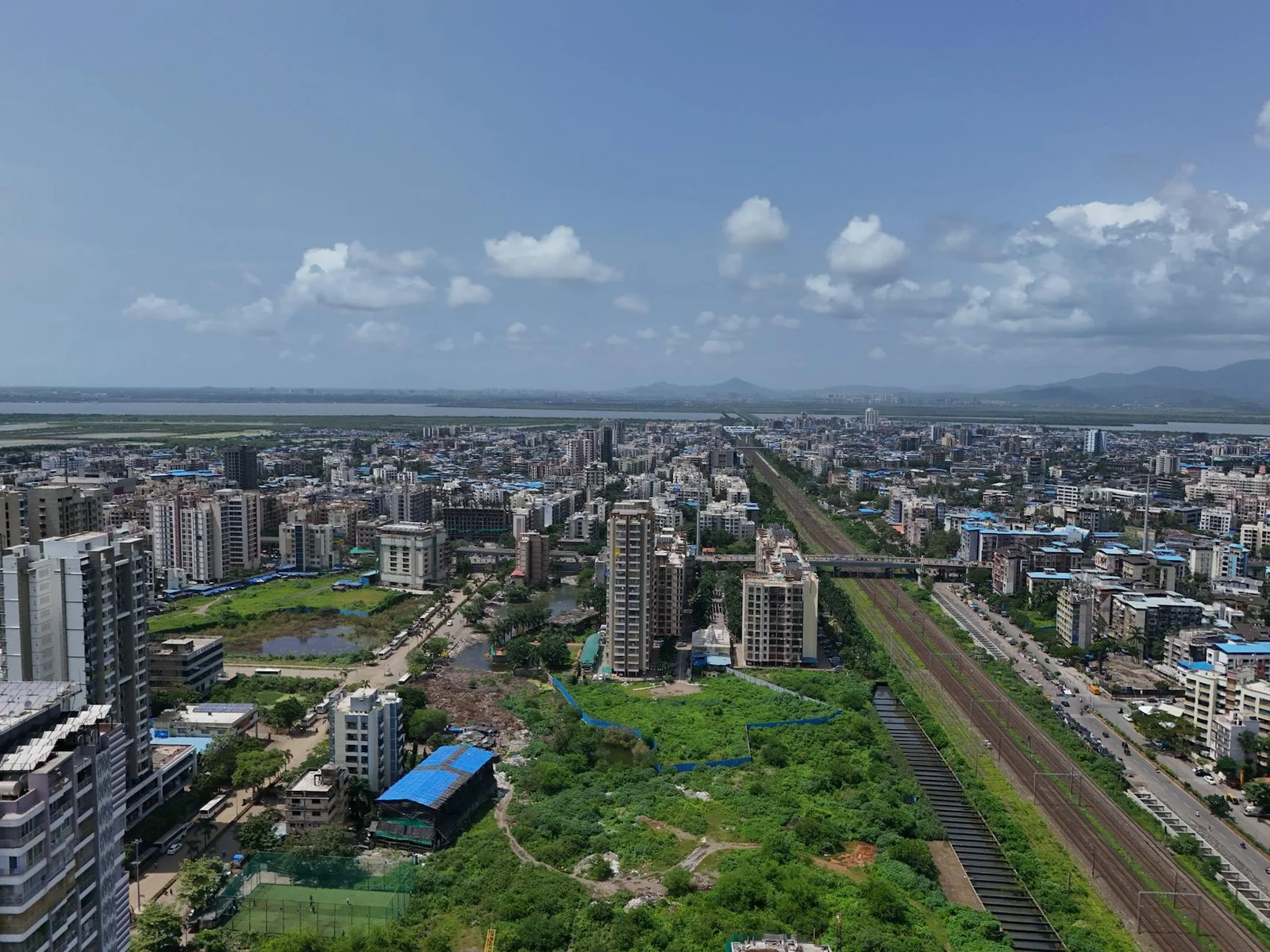
For years, India-linked international financing transactions were routinely structured through offshore jurisdictions such as Singapore, Dubai, Mauritius or London. Whether it involved fund management, aircraft leasing, offshore debt, private credit or cross-border investment platforms, global capital often flowed into India through foreign financial centres rather than through India itself.
That dynamic is now beginning to change.
GIFT City’s International Financial Services Centre (“IFSC”) is rapidly evolving from a niche offshore financing zone into a much broader institutional financial ecosystem. What started as an experiment in international banking and foreign currency transactions is now attracting activity across:
- aircraft leasing,
- private credit,
- fund management,
- sustainable finance,
- global treasury operations,
- alternative investment structures, and
- cross-border capital markets.
Importantly, this evolution goes far beyond infrastructure financing alone.
The next phase of GIFT City is increasingly about positioning India within the architecture of global finance itself.
Why GIFT City Matters Beyond Infrastructure Financing
The first wave of interest in GIFT City was driven largely by offshore lending and infrastructure financing. But global investors are now using IFSC structures for a much wider range of financial activities. The reason is straightforward: international investors prefer jurisdictions that offer familiarity, flexibility and efficient cross-border structuring.
Historically, India’s domestic regulatory ecosystem often created friction around:
| Traditional Challenge | Commercial Impact |
| Foreign currency restrictions | Structuring complexity |
| Cross-border financing approvals | Slower execution |
| Tax inefficiencies | Reduced investor returns |
| Offshore fund participation hurdles | Limited capital flexibility |
| Multi-jurisdictional compliance burdens | Higher transaction costs |
The IFSC framework was designed to reduce many of these barriers while still operating within an Indian regulatory environment. That combination is what makes GIFT City strategically important.
The Real Shift Happening Inside GIFT City
The ecosystem is now moving beyond basic offshore banking activity into a much more sophisticated financial platform. Earlier, most activity centred around:
- international banking units,
- ECB-linked financing,
- offshore debt transactions, and
- foreign currency lending.
Today, the conversation has expanded significantly. The IFSC ecosystem is increasingly seeing growth across:
| Emerging IFSC Segments | Why They Matter |
| Aircraft leasing | Reduces dependence on foreign leasing hubs |
| Private credit platforms | Expands alternative capital access |
| Alternative investment funds (AIFs) | Attracts institutional investors |
| Sustainable finance | Supports ESG capital flows |
| Treasury operations | Enables global liquidity management |
| Offshore fund structures | Improves cross-border capital pooling |
| Structured finance | Supports sophisticated financing transactions |
This is the transition that changes GIFT City from a financing corridor into a financial ecosystem.
Aircraft Leasing Has Become One of GIFT City’s Biggest Growth Areas
One of the most visible examples of this shift is aircraft leasing. India is one of the world’s fastest-growing aviation markets, but historically, a substantial portion of aircraft leasing activity was routed through jurisdictions such as Ireland and Singapore.
GIFT City is increasingly positioning itself as an India-linked alternative. This matters because aircraft leasing sits at the intersection of:
- cross-border financing,
- tax structuring,
- asset ownership,
- foreign exchange exposure,
- regulatory compliance, and
- international enforcement frameworks.
As aviation financing grows, GIFT City is expected to become increasingly relevant for:
- leasing platforms,
- airline financing structures,
- aviation asset management, and
- cross-border aviation capital arrangements.
Why Private Credit Funds Are Increasingly Interested in IFSC Structures
Private credit is becoming one of the fastest-growing segments in global finance, particularly as traditional banks face tighter regulatory oversight and exposure limits. Many private credit platforms now seek:
- flexible structuring,
- offshore participation capability,
- international investor access, and
- foreign currency financing frameworks.
This aligns naturally with the IFSC ecosystem. Increasingly, GIFT City structures are being explored for:
| Private Credit Activity | Typical Use Cases |
| Structured lending | Infrastructure and acquisition financing |
| Distressed investing | Special situations and stressed assets |
| Yield-focused financing | Long-duration institutional capital |
| Cross-border debt platforms | International capital deployment |
| Hybrid financing structures | Complex transaction structuring |
As India’s capital markets mature, alternative lenders are expected to play a much larger role across infrastructure, real estate, aviation and technology-linked sectors.
Sustainable Finance Is Becoming Central to the IFSC Ecosystem
Another major trend shaping GIFT City is the rise of ESG-focused capital. Global institutional investors are increasingly allocating capital toward:
- climate-aligned assets,
- green financing structures,
- energy transition platforms, and
- sustainability-linked investment vehicles.
This is creating growing demand for internationally aligned financing ecosystems capable of supporting:
- green bond issuances,
- ESG-focused funds,
- climate-transition financing,
- sustainability-linked lending, and
- carbon-related investment structures.
For India, this is strategically important because future infrastructure and industrial growth will increasingly depend on access to climate-focused institutional capital.
Treasury Operations and Cross-Border Financial Management
A quieter but increasingly important trend involves multinational groups exploring GIFT City for treasury and financial management operations. Large businesses increasingly require integrated systems for:
- foreign currency management,
- cross-border liquidity planning,
- treasury centralisation,
- structured financing, and
- international cash management.
This is the kind of activity typically associated with mature international financial centres. Its gradual emergence within GIFT City signals a deeper level of institutional evolution.
Regulation Still Matters: Sophisticated Structures Require Sophisticated Planning
Despite increasing flexibility, IFSC-linked transactions are far from legally simple. Many structures continue to involve overlapping considerations relating to:
- FEMA,
- tax law,
- offshore investment rules,
- beneficial ownership,
- regulatory approvals,
- fund structuring, and
- cross-border compliance.
As institutional participation grows, legal and regulatory planning becomes even more important because many transactions now span multiple jurisdictions simultaneously.
Why International Investors Still Prioritise Arbitration and Enforcement
Global investors ultimately care about predictability. That is why many IFSC-linked transactions continue to rely on:
- international arbitration clauses,
- English law-governed documents,
- offshore dispute resolution frameworks, and
- carefully structured enforcement mechanisms.
For institutional capital providers, enforceability often matters just as much as economics. This is particularly relevant for:
- aviation leasing,
- private credit,
- offshore financing structures, and
- long-duration institutional investments.
The Bigger Strategic Question: Can India Build Its Own Global Financial Centre?
The larger objective is much broader: to internalise more India-linked financial activity within an internationally competitive Indian ecosystem. In practical terms, that means reducing reliance on foreign offshore jurisdictions for:
- capital raising,
- fund management,
- structured finance,
- leasing,
- international banking, and
- cross-border investment activity.
Whether GIFT City can eventually rival established global financial hubs remains an open question. But the direction is becoming increasingly clear.
What the Next Decade Could Look Like
Over the coming years, GIFT City is expected to see significant expansion across:
| Expected Growth Area | Likely Trend |
| Aircraft leasing | Greater aviation financing activity |
| Private credit | Expansion of alternative capital |
| Sustainable finance | Growth in ESG-linked structures |
| AIF platforms | Increased institutional participation |
| Treasury operations | Cross-border liquidity management |
| Offshore fund structures | Larger international capital pools |
| Digital finance ecosystems | Integration with technology-driven finance |
The ecosystem is gradually shifting from a specialised regulatory zone into a broader institutional financial platform.
Conclusion
GIFT City is entering a much more sophisticated phase of development. The conversation is no longer limited to offshore lending or infrastructure financing alone. Instead, the IFSC ecosystem is increasingly expanding into aircraft leasing, private credit, fund management, sustainable finance and cross-border financial intermediation.
That transition is strategically important not only for investors and financial institutions, but also for India’s broader position within global capital markets. As the ecosystem matures, successful IFSC-linked structures will increasingly depend on:
- regulatory preparedness,
- cross-border structuring efficiency,
- governance standards,
- tax planning,
- dispute management, and
- institutional credibility.
The next chapter of GIFT City may ultimately be less about competing with domestic financial centres and more about whether India can establish a globally relevant offshore financial ecosystem of its own.
Last Updated on 26 May, 2026

By entering the email address you agree to our Privacy Policy.