
ESG and Sustainable Infrastructure Financing in India: Legal Risks, Green Capital and the Future of Investment
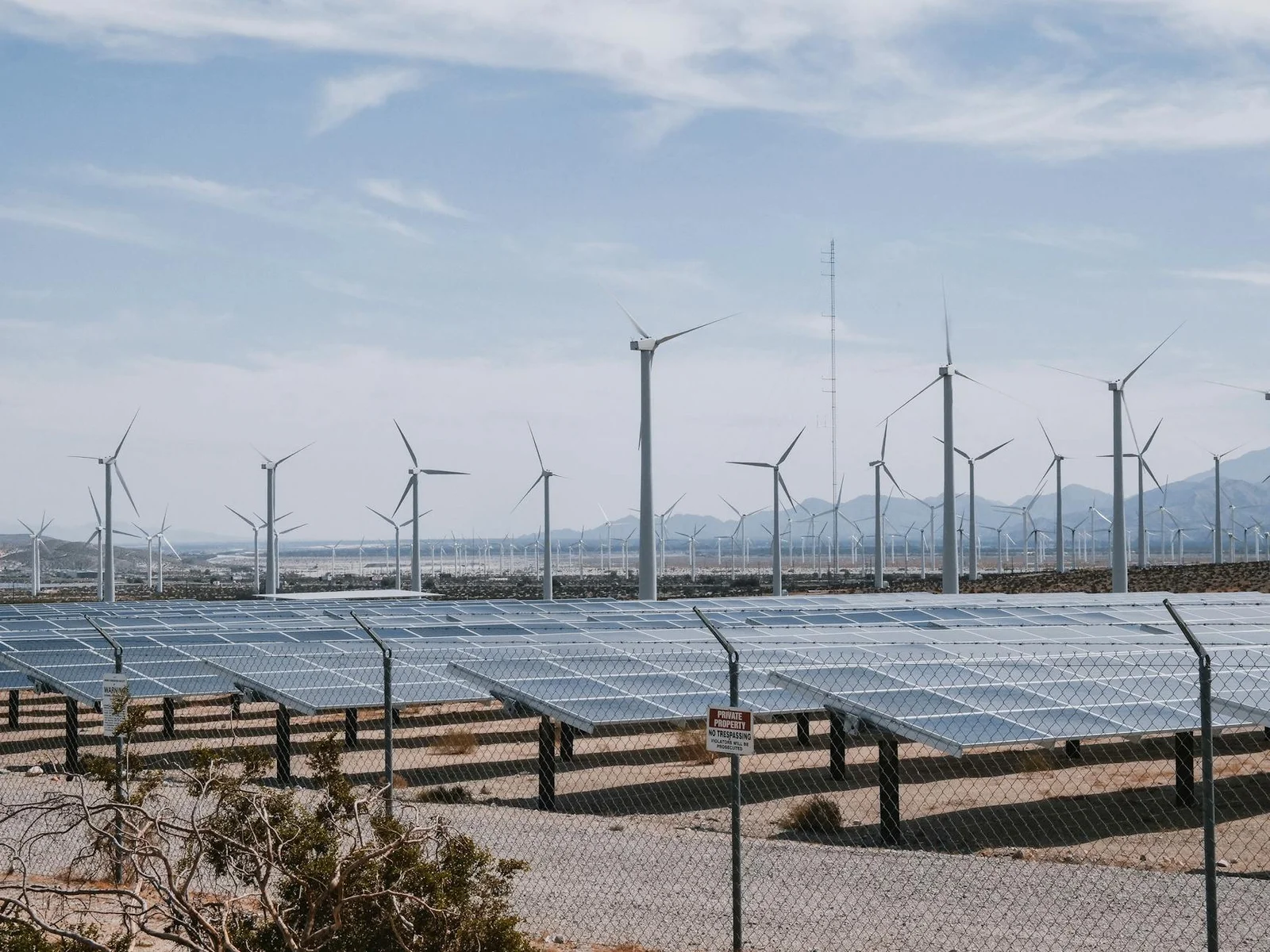
India’s infrastructure sector is entering a new phase where financing decisions are no longer driven solely by project viability and returns. Environmental, Social and Governance (“ESG”) considerations are now influencing how infrastructure assets are financed, developed, operated and acquired.
For global investors, ESG has become a risk-management tool as much as a sustainability framework. Pension funds, sovereign wealth funds, private credit platforms and multilateral lenders are increasingly evaluating carbon exposure, governance standards, climate resilience and social impact before deploying infrastructure capital into India.
This shift is transforming the financing landscape across renewable energy, logistics, transportation, urban infrastructure, data centres and green hydrogen projects.
Why ESG Now Matters in Infrastructure Financing
Infrastructure assets are long-term investments. Their success depends not only on revenue generation but also on regulatory stability, environmental compliance and community acceptance. As a result, lenders and investors now assess infrastructure projects through a much wider lens.
| Traditional Financing Focus | ESG-Driven Financing Focus |
|---|---|
| Revenue visibility | Climate resilience |
| Security package | Carbon exposure |
| Project cash flows | Governance standards |
| Construction risk | Labour and social impact |
| Regulatory approvals | Sustainability reporting |
This evolution has fundamentally changed infrastructure due diligence, financing documentation, reporting obligations, insurance assessments and investor participation criteria. Projects with weak ESG credentials increasingly face higher financing costs, enhanced scrutiny and reduced institutional appetite.
India’s ESG Transition: Growth Versus Sustainability
India sits at the centre of one of the world’s largest infrastructure expansion cycles while simultaneously pursuing ambitious climate transition goals. The country is balancing rapid industrial and urban growth, renewable energy expansion, carbon reduction commitments and climate resilience objectives. This dual challenge has pushed ESG considerations into mainstream infrastructure policy and financing structures.
Renewable Energy Remains the Core ESG Infrastructure Sector
Renewable energy continues to dominate ESG-focused infrastructure investment in India. Capital inflows remain strong across solar power projects, wind energy assets, hybrid renewable platforms, Battery Energy Storage Systems (BESS) and green hydrogen infrastructure.
| Key Attraction | Investor Perspective |
|---|---|
| Stable long-term cash flows | Predictable yield profile |
| Government-backed procurement | Reduced offtake risk |
| Climate-aligned investments | ESG compliance alignment |
| Scalable portfolios | Institutional deployment efficiency |
However, “green” projects are not automatically ESG compliant. Even renewable projects face risks relating to land acquisition disputes, community displacement, biodiversity concerns, waste management obligations, labour compliance and governance failures. As a result, ESG diligence in renewable projects has become significantly more sophisticated.
The Rise of Sustainable Financing Structures
India’s infrastructure financing ecosystem is rapidly adopting ESG-linked capital structures.
| Instrument | Typical Use |
|---|---|
| Green Bonds | Renewable energy, transport, water infrastructure |
| Sustainability-Linked Loans (SLLs) | ESG performance-based financing |
| ESG-Linked Debt | Climate and governance-linked capital |
| Transition Finance | Carbon reduction and decarbonisation projects |
Sustainability-Linked Loans (SLLs)
SLLs are becoming increasingly common in large infrastructure transactions. Loan pricing and financing flexibility are often tied to metrics such as carbon reduction targets, renewable energy consumption, water efficiency, governance compliance and social impact indicators. Failure to meet sustainability benchmarks can trigger pricing adjustments, additional disclosures or enhanced lender monitoring obligations.
ESG Due Diligence Is No Longer Optional
Infrastructure diligence has evolved far beyond traditional legal and financial review. Modern ESG diligence frequently includes:
| ESG Review Area | Key Focus |
|---|---|
| Environmental | Climate exposure, pollution, emissions |
| Social | Labour welfare, rehabilitation, community impact |
| Governance | Compliance systems, anti-corruption controls |
| Supply Chain | Vendor sustainability and sourcing practices |
| Reporting | ESG disclosures and sustainability metrics |
Environmental Regulation and Climate Litigation Risks
Environmental approvals remain central to infrastructure execution in India. Depending on the sector, projects may require environmental clearances, forest approvals, wildlife permissions, pollution control consents and coastal regulation approvals. At the same time, climate-related litigation and environmental activism are increasing. Projects involving high emissions, water-intensive operations, ecologically sensitive areas or large-scale land use are facing greater scrutiny from regulators, communities and investors. Environmental non-compliance can delay financing, stall implementation and materially impact project valuation.
Data Centres and the ESG Debate
India’s rapidly expanding data centre sector has created a new ESG conversation. While data centres are essential to digital infrastructure growth, they also involve significant electricity consumption, high cooling requirements, water usage concerns and large carbon footprints. Institutional investors are increasingly favouring data centre projects that integrate renewable energy sourcing, energy-efficient systems and sustainable cooling technologies. ESG-linked financing in the digital infrastructure space is expected to grow substantially over the next decade.
Green Hydrogen: India’s Next ESG Infrastructure Opportunity
Green hydrogen is emerging as one of India’s most strategically important infrastructure sectors. The National Green Hydrogen Mission is driving investment into electrolyser manufacturing, renewable-powered hydrogen production, storage infrastructure and export-oriented facilities.
| ESG Concern | Impact Area |
|---|---|
| Water consumption | Resource sustainability |
| Land use | Community and environmental impact |
| Renewable sourcing | Compliance credibility |
| Supply chain sustainability | Lifecycle emissions |
Social Impact Risks Are Becoming Central
Social considerations are increasingly influencing infrastructure investment decisions. Key risk areas include worker safety, labour compliance, community rehabilitation, land acquisition disputes and human rights obligations. India’s labour law reforms and evolving Labour Codes are expected to further increase scrutiny around worker protection and occupational safety compliance. Lenders and ESG-focused investors are now actively monitoring labour practices during project execution.
Foreign Investors Are Driving ESG Standards
Global infrastructure capital is increasingly ESG-driven. Foreign investors frequently require sustainability disclosures, ESG covenants, carbon reduction strategies, climate-risk reporting and international compliance alignment. This is particularly relevant for sovereign wealth funds, pension funds, multilateral lenders and development finance institutions. As a result, Indian developers are increasingly aligning projects with international ESG expectations to access institutional capital.
GIFT City and Sustainable Finance
GIFT City is rapidly emerging as a hub for sustainable finance and ESG-linked investment structures. The IFSC ecosystem is increasingly being used for green bonds, sustainable finance products, ESG-linked debt instruments and climate-focused investment platforms. This is expected to accelerate cross-border ESG infrastructure financing into India.
ESG Risks in Distressed Infrastructure Assets
ESG considerations are also influencing insolvency and restructuring transactions. Under the Insolvency and Bankruptcy Code, 2016 (“IBC”), distressed infrastructure investors are increasingly conducting environmental liability assessments, ESG remediation reviews and sustainability-focused operational diligence. Environmental liabilities and governance failures can materially impact resolution timelines, recovery outcomes and distressed asset valuation.
| ESG Risk | Potential Impact |
|---|---|
| Climate transition exposure | Financing restrictions |
| Environmental litigation | Project delays |
| Governance failures | Regulatory action |
| Community opposition | Operational disruption |
| Labour disputes | Investor scrutiny |
| Sustainability disclosure failures | Reduced institutional participation |
The Future of ESG Infrastructure Financing in India
India’s ESG financing ecosystem is expected to evolve rapidly over the coming decade. Key trends likely to shape the market include expansion of ESG-linked lending, stronger climate disclosure requirements, carbon market development, greater institutional ESG oversight, growth of sustainable finance instruments and enhanced sustainability reporting obligations. Infrastructure financing is increasingly becoming intertwined with climate transition strategies and responsible investment frameworks.
Conclusion
The convergence of climate transition goals, renewable energy expansion, sustainable finance structures and institutional investor expectations is changing how infrastructure assets are financed, structured and monitored. For developers, lenders and investors, ESG is now a core legal, financial and operational consideration. Successful infrastructure financing strategies increasingly require robust ESG diligence, governance preparedness, sustainability-focused structuring, environmental compliance planning and long-term climate resilience assessment. As India continues balancing rapid infrastructure expansion with sustainability objectives, ESG will remain one of the defining forces shaping the future of infrastructure investment in the country.
Last Updated on 14 May, 2026

By entering the email address you agree to our Privacy Policy.