
Himanshu Comments on Delhi High Court Ruling: Expired Patents Can Still Be Revoked, Damages Claims Impacted
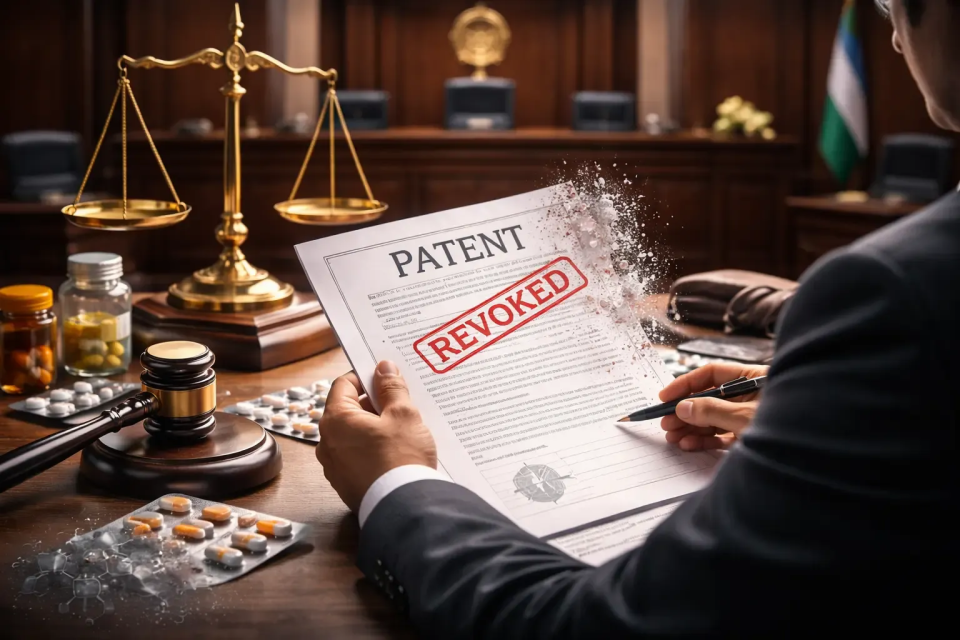
Himanshu has shared key insights on a significant ruling of the Delhi High Court holding that even expired patents can be revoked, with retrospective consequences for infringement claims. The decision clarifies that once a patent is revoked, it is treated as void ab initio as though it never existed in law, thereby extinguishing claims for past infringement based on such patent.
According to Himanshu, this ruling marks an important shift in the balance between innovator pharmaceutical companies and generic manufacturers. By removing the risk of being saddled with damages for alleged past infringement of a patent that is subsequently invalidated, the Court has meaningfully reduced the coercive leverage often exercised through high-value damages claims. This is expected to enable generic companies to challenge weak, vulnerable, or evergreened patents with greater confidence.
He further noted that the decision substantially weakens damages claims in ongoing and future infringement suits where patent validity remains under challenge. If a patent does not withstand scrutiny and is ultimately revoked, any claim for past infringement would not survive. This makes damages contingent not merely on the fact of expiry, but on the patent’s ability to pass validity review.
From the innovator’s perspective, Himanshu observes that the ruling heightens litigation risk. Patent holders can no longer rely on expiry as a shield for sustaining damages claims and must now be prepared to defend validity even post-expiry. This increases the evidentiary burden during enforcement and underscores the need for rigorous pre-enforcement validity assessments and carefully structured claim drafting.
The judgment is also likely to influence litigation strategy in pharmaceutical patent disputes. Himanshu anticipates a stronger shift toward dual-track litigation, with generics simultaneously contesting infringement and validity as a matter of strategy. Revocation petitions even at advanced stages may become more frequent, as a successful challenge can retrospectively eliminate liability exposure.
Overall, the ruling reinforces the centrality of patent validity in enforcement strategy and is expected to have lasting implications for pharmaceutical patent litigation in India.
Visit Article: https://www.livemint.com/industry/expired-patent-ruling-india-indian-patent-law-11771998930513.html
By entering the email address you agree to our Privacy Policy.