
Why a Tesla Costs So Much in India in 2026?
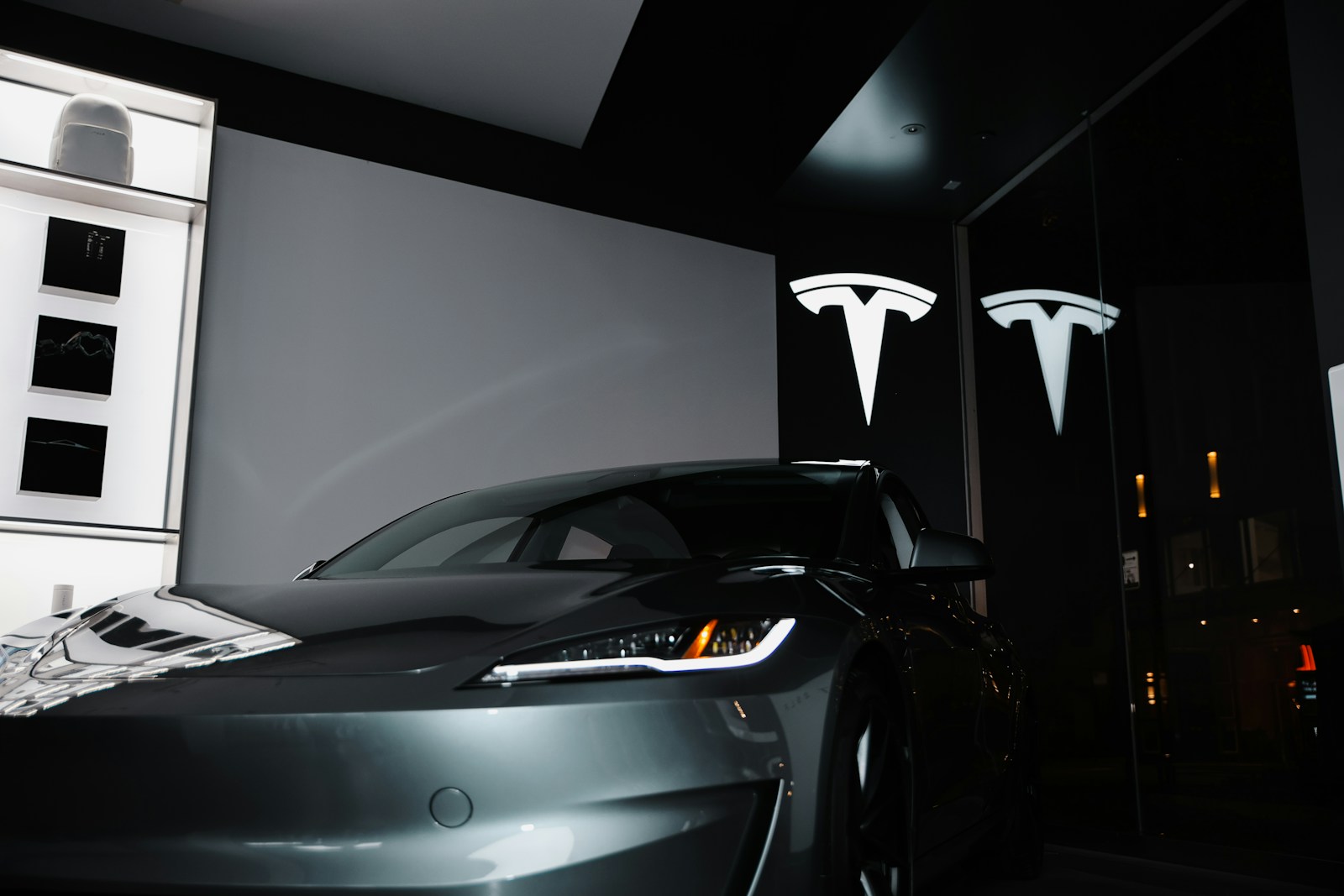
Tesla’s arrival in India through its Mumbai showroom at Bandra Kurla Complex was significant, but the price was a shocker for everyone. The Model Y starts at around ₹59.9 lakh in RWD form and approximately ₹67–68 lakh for the long-range variant, compared to roughly ₹32–35 lakh in the U.S. before discounts, reflecting a hefty premium in the Indian market. Tesla’s first experience centre in Mumbai, launched in July 2025, marked the company’s formal retail entry into India, followed by expansion efforts in Delhi NCR.
This high markup is largely attributable to India’s import duty regime. If electric vehicles are fully built and cost less than $40,000, they face customs duties of about 70%. For more expensive models, this can rise to 100%, along with additional charges. Reports indicate that Tesla imported several Model Y units priced between $32,500 and $46,000, leading to substantial customs exposure. As a result, import taxes alone can inflate the retail price by nearly ₹20–30 lakh.
Strategic Entry
Tesla’s entry into India concerns long-term strategic positioning rather than immediate sales numbers. At present, local manufacturing does not exist. Vehicles, Superchargers, and associated equipment continue to be imported primarily from Tesla’s Shanghai Gigafactory in China. Even while paying full import taxes, Tesla appears willing to establish an early brand presence, test demand among High Net Worth Individuals, and initiate long-term engagement with policymakers and state governments.
The development also coincides with India’s evolving EV policy framework. In March 2024, the Government of India introduced a new EV policy permitting foreign manufacturers to import up to 8,000 electric vehicles annually at a concessional 15% customs duty, provided the manufacturer invests at least USD 500 million and establishes local manufacturing within three years. While the policy was widely viewed as an attempt to attract Tesla, the company has not yet formally committed to setting up a manufacturing facility in India.
Reports through 2026 indicate that Tesla has explored potential manufacturing locations, including discussions relating to the Satara district in Maharashtra. However, no definitive announcement has been made regarding a domestic plant. Until local production begins, Indian consumers will continue paying a substantial premium on imported Tesla vehicles.
India remains strategically important for Tesla because it is now the world’s third-largest automobile market, while EV penetration remains relatively low compared to global standards. Tesla’s presence is therefore not merely about premium car sales; it also concerns long-term influence over EV infrastructure, charging ecosystems, battery supply chains, and broader consumer adoption trends.
Why Tesla Costs So Much in India: A Cost Breakdown
The Model Y starts at around ₹67.9 lakh ex-showroom in India, while the equivalent U.S. price is about $37,490 (~₹32 lakh) before tax credits, nearly double the amount. Here’s why (based on CIF ~₹32 lakh):
1. Import Duty (70–100%)
- Under the existing customs structure, EVs imported as completely built units (CBUs) below the USD 40,000 threshold attract approximately 70% customs duty, while vehicles above that threshold can attract duties nearing 100% along with applicable surcharges. Consequently, duty alone may add nearly ₹21–32 lakh to the landed price of the vehicle.
- Although India’s 2024 EV policy introduced a concessional 15% duty route for eligible manufacturers, the benefit remains conditional upon large-scale investment and domestic production commitments. Since Tesla has not yet operationalised local manufacturing, most imported units continue to attract conventional import duties.
2. GST (5%)
- Electric vehicles benefit from a comparatively lower GST rate of 5%. However, GST is levied on the cumulative value of the vehicle, including customs duties. For a post-duty value of roughly ₹54 lakh, GST may add another ₹2.7 lakh to the final cost.
3. Registration, TCS, Admin Fees, FASTag
- These costs vary across states but collectively increase the on-road price substantially. Mumbai showroom estimates included administrative and service charges of approximately ₹50,000, TCS of roughly ₹67,890, and FASTag charges. Insurance, registration and handling fees further increase the overall acquisition cost.
- Certain states such as Maharashtra, Gujarat and Telangana are also actively offering incentives, subsidies and stamp duty concessions aimed at encouraging EV manufacturing and ecosystem investments.
4. On-road Price vs U.S.
Summing up: ₹32 lakh (CIF) + ₹22 lakh duty + ₹2.7 lakh GST + ₹1.2 lakh additional charges ≈ ₹58 lakh ex-showroom, and with RTO, insurance and handling costs, the on-road price approaches ₹69 lakh.
- Ex-Showroom Price: ₹67,89,000
- Admin/Service Fee: ₹50,000
- Tax Collected at Source (TCS): ₹67,890
- FASTag: ₹800
- Final Cost: ₹69,14,690
What Tesla’s Arrival Means for India?
Tesla’s expensive debut is not merely a luxury car launch; it represents a significant strategic development within India’s EV ecosystem.
1. Competition & Innovation
Tesla’s entry has intensified competitive pressure across India’s EV market. Established luxury manufacturers such as BMW and Mercedes-Benz, along with EV-focused players such as BYD, Tata Motors and VinFast, are increasingly expected to strengthen technology offerings, charging capabilities and localisation strategies. Tesla’s presence may accelerate innovation and pricing competition within the sector.
2. Infrastructure
Tesla has simultaneously focused on building supporting infrastructure, including V4 Superchargers and service centres in Mumbai and Delhi NCR. These investments are expected to contribute to broader EV ecosystem growth by improving charging accessibility and reducing range anxiety for consumers. Expansion of charging infrastructure may also indirectly benefit non-Tesla EV adoption.
3. Policy & Commitment
Tesla’s India strategy remains closely tied to the country’s evolving EV policy framework. The March 2024 policy allowing concessional import duties in exchange for manufacturing investment reflects India’s broader attempt to position itself as a global EV manufacturing hub. Tesla’s continued negotiations and cautious market entry are therefore being closely monitored by both policymakers and competing automakers.
What’s Next?
Tesla’s future in India will likely depend on localisation and manufacturing commitments. If the company proceeds with a domestic assembly or manufacturing facility under the concessional policy framework, Indian pricing could move substantially closer to global benchmarks. Local manufacturing may reduce duties significantly and potentially lower prices by as much as ₹15–20 lakh over time.
At the same time, competition within India’s EV market is intensifying rapidly. Domestic manufacturers such as Tata Motors and global competitors like BYD are already offering comparatively affordable EV alternatives with growing charging networks and shorter delivery timelines.
For now, Tesla vehicles in India remain premium imported products carrying a substantial “luxury tax” effect due to customs duties and associated costs. Nevertheless, Tesla’s expanding showroom presence, infrastructure investments and continued engagement with Indian authorities suggest that the company is positioning itself for a much deeper long-term role in India’s evolving EV landscape.
Related Reading
- the law on legally modified cars in India: What you can and cannot modify on a vehicle imported into India.
For tailored legal advice on the issues discussed in this article, please get in touch with our regulatory and criminal-regulatory practice.
Last Updated on 30 May, 2026

By entering the email address you agree to our Privacy Policy.